


Rupert Grint spent years fighting a tax battle with the UK government, and now that fight is over. The "Harry Potter" actor just lost his final appeal, leaving him with a £1.8 million tax bill. It marks the end of a long and winding case that centred on how he handled the money he made from the film series. The ruling closes the door on an argument he and his team pushed for more than a decade.
At the heart of the case was a huge payment of £4.5 million. The 37-year-old star received that money in the 2011-2012 tax year from his own company, Clay 10 Limited. The payment represented rights to his future earnings from the "Harry Potter" films, things like DVD sales, TV syndication deals, and streaming revenue. It was a sizeable lump sum, and how it was labelled made all the difference.
Grint’s lawyers tried to frame that payment as a capital asset. They said it counted as the sale of rights, records, and goodwill. That classification would have moved it into Capital Gains Tax territory. If approved, he could have claimed entrepreneurs' relief and paid only 10%. Given the size of the payment, this route would have saved him a fortune.
However, HMRC saw it very differently. The tax authority argued that the payment appeared to be a significant advance income from acting work. If it were income, it would be taxed at the much higher rate that top earners face. In the UK, high earners can fall into a bracket that reaches roughly 52% once national insurance is taken into account.
Why the Judge Ruled Against Grint
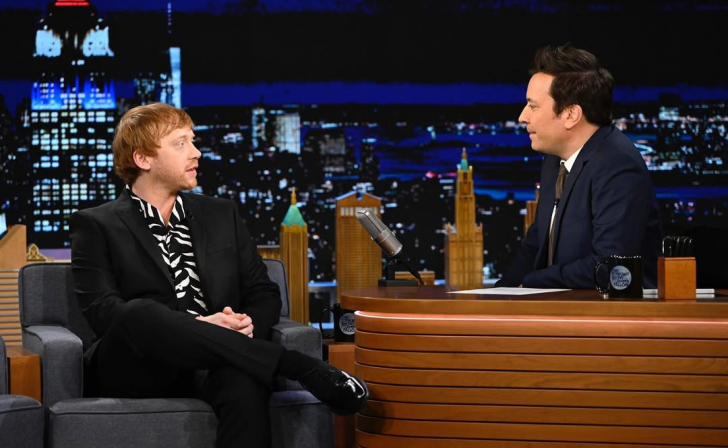
Grunt / IG / The tribunal judge, Harriet Morgan, sided fully with HMRC. She ruled that the value of the £4.5 million payment came almost entirely from Grint's own acting work.
That made it income, not capital. The judge stated that it was clear that tax reduction, rather than business structure, played the most significant role in how the deal was arranged.
Another detail that stood out was the judge's view of the transaction’s purpose. She said tax avoidance was a main objective, not a casual byproduct. While Clay 10 Limited offered some business perks, such as limited liability, those benefits did not outweigh the core intent. According to the ruling, the setup leaned heavily on advice from Grint’s tax planners, who aimed to cut his bill in a big way.
The case also raised a famous aspect of UK tax law known as the "Beatles clause". These rules date back to the 1960s and were created after The Beatles found clever ways to shift income into capital. The government added new protections to stop people from turning high-taxed income into lower-taxed capital gains. Even decades later, those rules continue to shape cases like this one.
A Costly Pattern for the "Harry Potter" Star
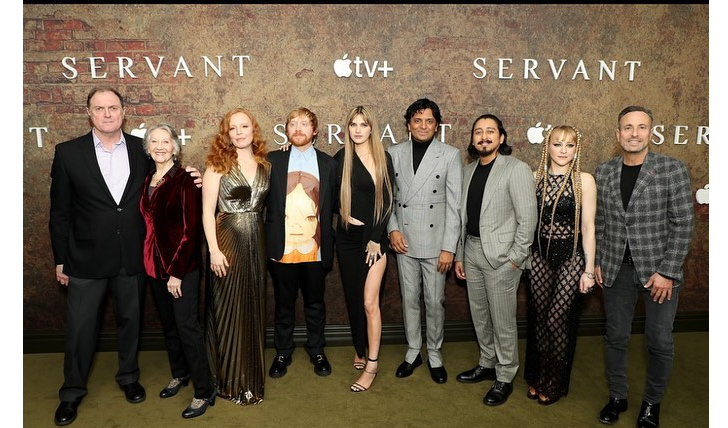
Grint / IG / Back in 2019, Grunt went up against HMRC in a separate case and lost another large claim.
That legal battle involved a £1 million refund he tried to secure by shifting his accounting date. The change would have pushed more money into a tax year with a lower rate. The idea was rejected, and HMRC won that round too.
These cases demonstrate how closely the UK monitors tax planning, particularly when it involves substantial earnings from entertainment work. Actors, athletes, and other public figures often work through personal companies for business and legal reasons. However, when the money comes from their own performance, the rules grow strict.
By 2011, the "Harry Potter" films had wrapped, and he was moving into the next phase of his career. A big lump sum would have offered security and freedom to explore new projects. His team likely hoped the structure would also bring tax benefits. Once HMRC stepped in, the strategy turned into a long legal struggle.