

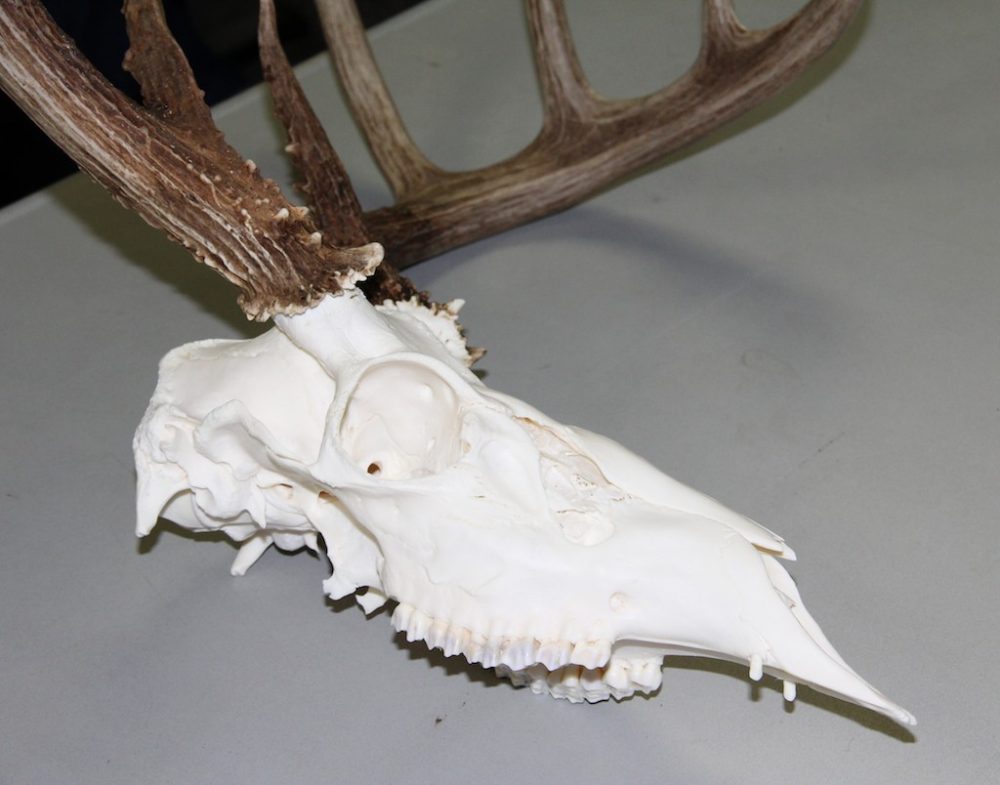
A whitetail deer in Illinois recently grabbed serious attention, and it had nothing to do with antler size. This buck carried something far stranger: A set of upper canine teeth. That detail alone stopped seasoned hunters mid-sentence once the skull came clean.
The deer was harvested near the Mississippi River, and the surprise showed up later. Jeremiah Haas spotted the teeth while prepping the skull for a European mount. What looked like a mistake at first turned into one of the rarest whitetail traits ever documented in the state.
The Teeth Should Not Be There!
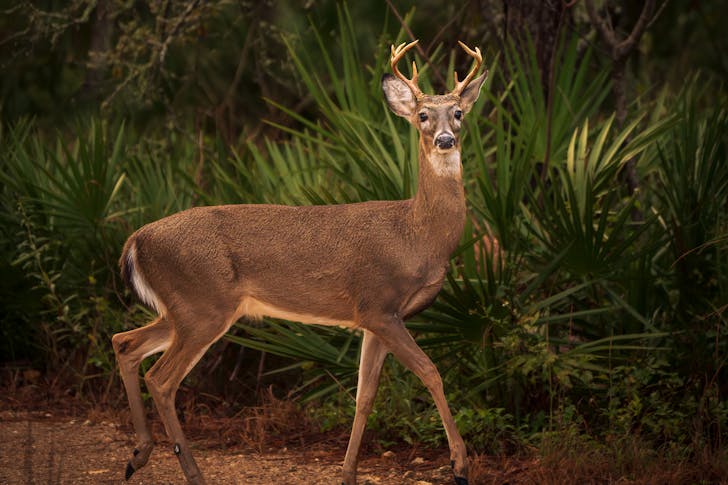
DMY / Pexels / Most people think deer only have flat teeth built for grinding plants. That idea holds true almost every time, which is why this discovery felt unreal.
Whitetails do have canines, but only on the lower jaw, and they work like incisors during feeding.
Upper canine teeth are another story entirely. These small peg-shaped teeth sit just behind the upper lip and often stay hidden under the gumline. They do not help the deer fight or hunt, and they are not linked to sickness or crossbreeding.
Biologists call this trait an atavism, which means it is a genetic throwback. Ancient deer species commonly carried upper canines long before antlers dominated the scene. In rare cases, modern whitetails still flip that ancient switch.
Just How Rare Is This in Illinois?
Seeing upper canines on a whitetail is uncommon anywhere, but spotting them in Illinois pushes the odds even lower. Scientific studies place the occurrence well under one percent nationwide. Many wildlife experts go their entire careers without seeing one in person.
A 1963 study found the rate varied by region. Michigan’s Lower Peninsula recorded just 0.07%, while a small Florida sample reached 4.2%. That suggests southern deer may show the trait more often, but it still remains scarce.
In this Illinois case, Haas checked with veteran hunters and taxidermists around the Quad Cities. A few recalled similar finds over the years, but none treated it as normal. Each case stood out as something special, not routine.
However, Whitetails across North America have shown this trait from Saskatchewan down to Central America. Mule deer have also been documented with similar teeth.
Some living deer relatives never lost their canines at all. Elk still carry ivory like upper teeth, which many hunters prize as keepsakes. Musk deer and Chinese water deer rely on long canines instead of antlers altogether.
This connection ties modern whitetails to their ancient roots. Antlers may dominate today, but teeth once played a larger role in survival. Every rare skull like this adds another clue to that long evolutionary path.
Why Hunters Almost Always Miss This

DMY / Pexels / Most hunters never notice upper canines, even when they are present. The teeth are small, easy to overlook, and often hidden by gums.
Field dressing does not expose them, and aging the deer rarely reveals them either.
Taxidermists tend to find them more often for a simple reason. European mounts require full skull cleaning, which strips away everything hiding those teeth. That final rinse can reveal something unexpected, as it did in this Illinois case.
For hunters, discovering this trait feels like finding a hidden signature from nature. It does not boost score or change regulations, but it adds a story no tape measure can match. That alone makes the skull worth saving.