

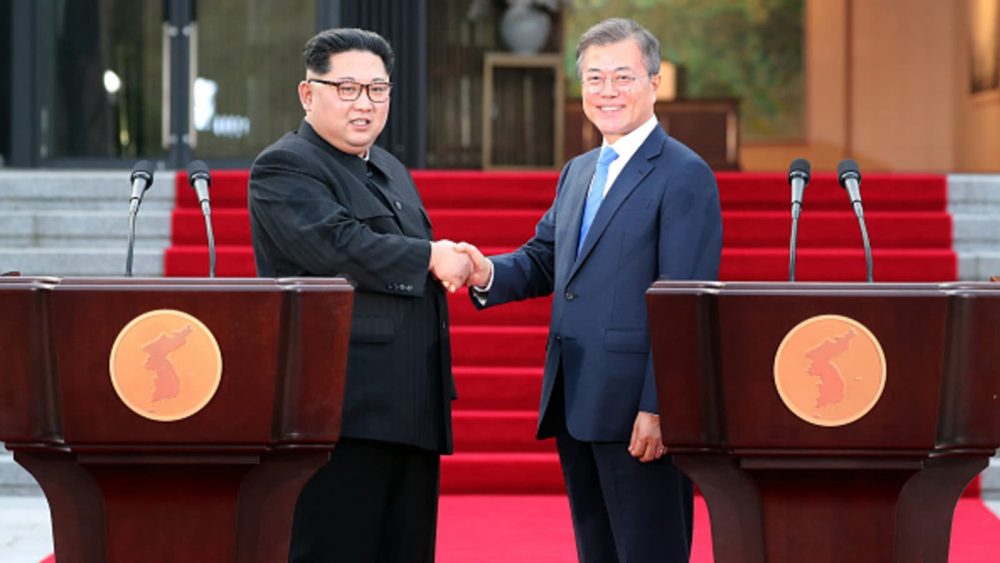
More than 70 years after guns fell silent on the Korean Peninsula, the Korean War still has not officially ended. South Korea now wants to change that. The government in Seoul is pushing for a political declaration that would formally recognize the end of the war.
However, this proposal is not a peace treaty yet. It is meant to signal that the countries involved are ready to move beyond the fragile ceasefire that has defined relations for decades. South Korean officials believe such a step could reopen diplomatic talks and reduce tensions that often flare along the heavily armed border.
The War That Technically Never Ended
The Korean War began in June 1950 when North Korean forces crossed the 38th parallel and invaded South Korea. The conflict quickly expanded into a global struggle. China and the Soviet Union backed the North, while the United States and United Nations forces supported the South.
Fighting lasted three brutal years and left millions dead or displaced. The war stopped in July 1953 when the sides signed the Korean Armistice Agreement. The armistice halted the fighting, but it did not create a formal peace treaty. That is why the two Koreas are technically still at war today.
The agreement created the Korean Demilitarized Zone, a buffer that stretches across the peninsula. The border is about 250 kilometers long and remains one of the most militarized areas in the world. Soldiers from both sides continue to guard the line, and tensions can rise quickly when military exercises or missile tests occur.
The lack of a peace treaty also shapes diplomacy in Northeast Asia. Every major security discussion in the region must account for the fact that the Korean War has never officially ended. South Korea now wants to close that chapter, at least symbolically.
South Korea’s New Push for a Peace Declaration
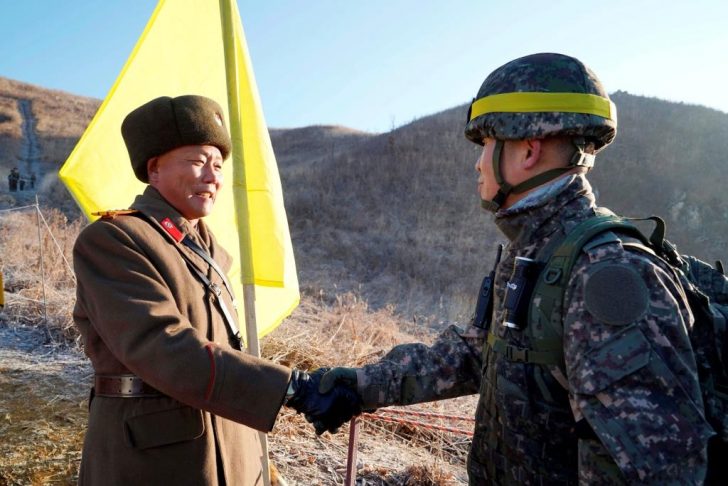
YT / South Korea’s Ministry of Unification recently outlined its plan in a report to the National Assembly. The proposal calls for a joint declaration that would announce the official end of the Korean War.
Officials describe the move as a political step that could lead to deeper negotiations later.
The declaration would involve the countries tied to the 1953 armistice. Those nations include South Korea, North Korea, the United States, and China. Each country would agree to publicly state that the war has ended and that a permanent peace arrangement should follow.
Government officials say the declaration would not replace the armistice right away. Instead, it would act as a signal that the region is ready to shift toward long-term stability. Diplomats hope the gesture could open doors for talks on security issues, economic cooperation, and nuclear tensions.
Supporters in Seoul say symbolism matters in diplomacy. A joint statement ending the war could ease hostility and lower the political barriers that block dialogue. That small shift could encourage both sides to return to negotiations that have stalled in recent years.
The Political Context Behind the Proposal
GTN / South Korea’s current leadership has focused on lowering tensions with the North. The government has taken steps designed to reduce friction along the border.
These measures include stopping certain propaganda broadcasts that previously targeted North Korea.
The administration believes calmer messaging can create space for dialogue. Officials argue that diplomacy often begins with gestures that show goodwill. A peace declaration fits into that broader strategy.
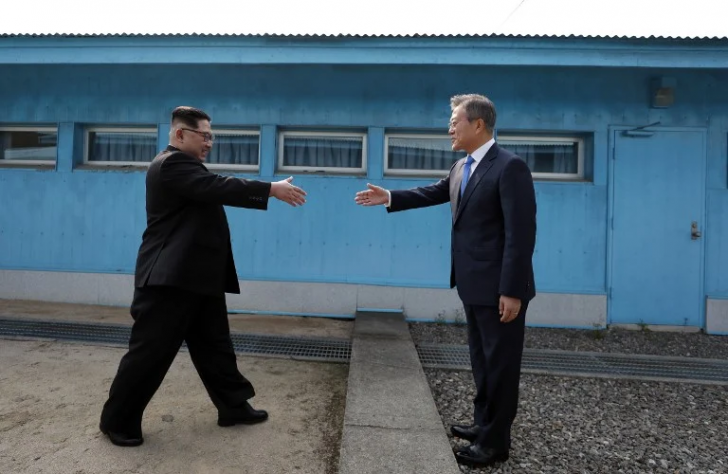
The idea also echoes earlier attempts to improve relations. In 2018, South Korea and North Korea held a historic summit at Panmunjom. Leaders from both sides agreed to pursue a formal end to the Korean War and build a lasting peace on the peninsula.
That effort raised global optimism at the time. Several high-level meetings followed, including talks involving the United States. The momentum slowed after negotiations over North Korea’s nuclear program collapsed in 2019.
Since then, relations between the two Koreas have grown colder. Communication channels have shut down at times, and military tensions have returned. South Korea’s latest proposal aims to restart diplomatic momentum.