

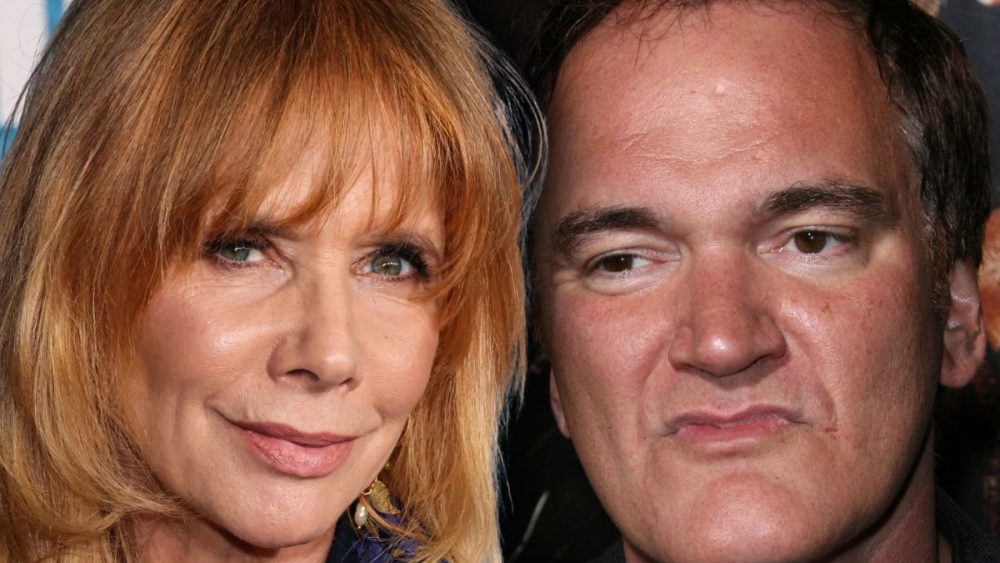
Quentin Tarantino rarely backs down from a public fight, especially when the criticism targets his writing. The filmmaker recently fired back at actress Rosanna Arquette after she slammed his use of racial slurs in several films. The exchange quickly grabbed headlines and revived a debate that has followed Tarantino for decades.
Arquette, now 66, played Jody in the 1994 cult classic “Pulp Fiction.” Her role was small but memorable, and the film helped cement Tarantino as one of the most influential directors of the 1990s. Now, more than 30 years later, a few comments in a newspaper interview sparked a sharp response from the director.
Rosanna Arquette’s Comments Spark the Controversy

The News / Arquette drew a hard line at what she perceives as the director's unchecked license to use the N-word throughout his body of work. "Personally, I am over the use of the N-word. I hate it," Arquette stated.
Arquette spoke about her career in an interview with The Sunday Times. During the conversation, she praised “Pulp Fiction” and acknowledged its major place in movie history. She called the film iconic and admitted it remains a powerful piece of cinema.
However, her praise came with a strong criticism of Tarantino’s writing choices. Arquette said she dislikes the frequent use of the N word in his scripts and feels the director has been given too much freedom to use it. She said the language no longer feels artistic to her and instead comes across as disturbing.
The actress also used the phrase “hall pass” to describe the situation. Her comment suggested that Hollywood critics and audiences allow Tarantino to use language that would bring backlash if another filmmaker tried the same thing. That remark quickly spread across entertainment media and triggered the director’s response.
Her interview also touched on a separate issue tied to the film’s production. Arquette claimed she never received backend profits from “Pulp Fiction.” She alleged the decision came after she rejected sexual advances from disgraced producer Harvey Weinstein.
The Weinstein allegation gave the interview extra weight. The producer played a major role in launching Tarantino’s early career through Miramax. That connection meant Arquette’s comments reached beyond a simple critique of movie dialogue.
Tarantino Responds With a Sharp Rebuke
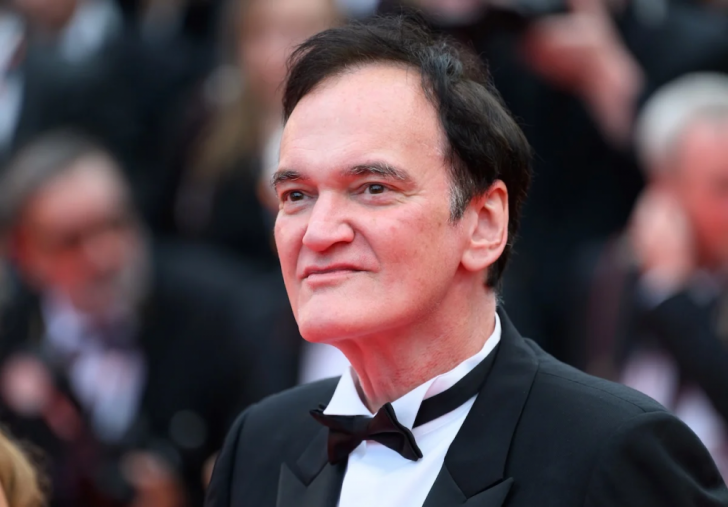
YT / In a written statement released Monday, Tarantino pushed back strongly against Arquette’s criticism. His response accused the actress of showing a “lack of class” by attacking a film she once celebrated.
The 62-year-old director questioned why Arquette chose this moment to raise the issue publicly. He suggested the timing looked suspicious and implied the comments might have been aimed at grabbing attention. Tarantino pointed out that dozens of media outlets quickly picked up the story.
However, the clash between Tarantino and Arquette did not appear out of thin air. Critics have questioned the director’s use of racial language for many years. His scripts often feature characters who speak in blunt, provocative ways.
In “Pulp Fiction,” the controversial word appears about twenty times. The number climbs dramatically in “Django Unchained,” where the slur is used more than one hundred times. Tarantino has always defended the dialogue as part of realistic storytelling.
The director argues that his characters reflect the worlds they live in. In films set in crime circles or in historical settings, he believes the language must match the time and environment. Tarantino has often said removing those words would make the stories feel false.
Interestingly, some of his closest collaborators have defended him. Actors Samuel L. Jackson and Jamie Foxx both spoke in support of Tarantino while promoting “Django Unchained.” They argued that the language made sense within the historical context of the story.
Foxx explained that the script reflected the brutal reality of slavery in the American South. Jackson offered a similar view and said the characters speak the way people in that time and place actually spoke. Their comments added another layer to the ongoing discussion.