

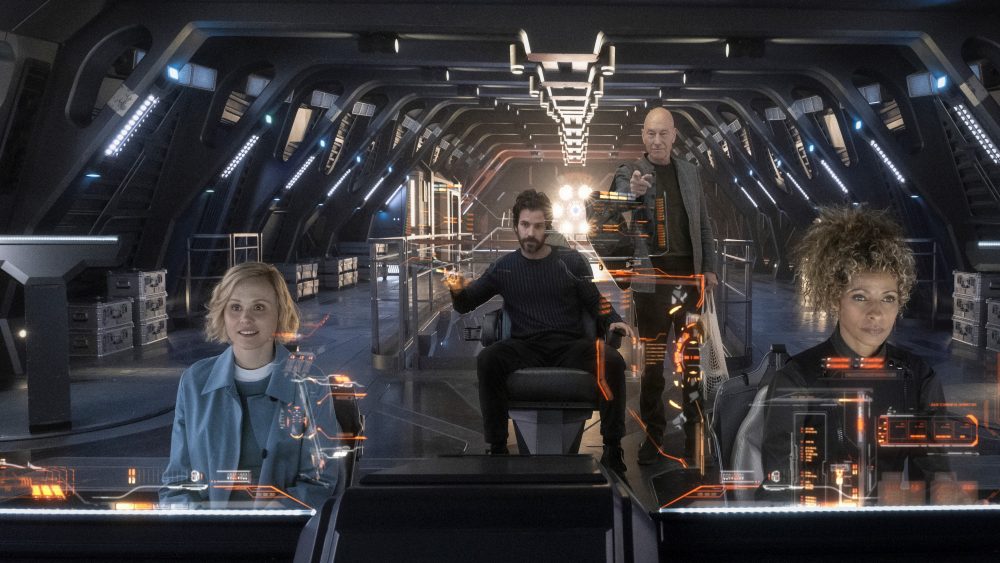
"Star Trek" wasn’t just entertainment—it helped inspire real-world technology. In the 1960s, its gadgets seemed impossible, yet today, police departments use tools remarkably similar to those seen on the show. Devices that were once science fiction now exist in patrol cars, on officers’ belts, and within digital investigation systems.
The series demonstrates the power of imagination to drive innovation. Many engineers and scientists grew up inspired by these fictional devices and later developed practical solutions for modern law enforcement.
From scanners to communication systems and translation tools, today’s police technology owes a surprising debt to a TV series. The story of this transformation shows how creativity can shape real-world solutions that protect communities.
Communication Tech Inspired by “Star Trek”
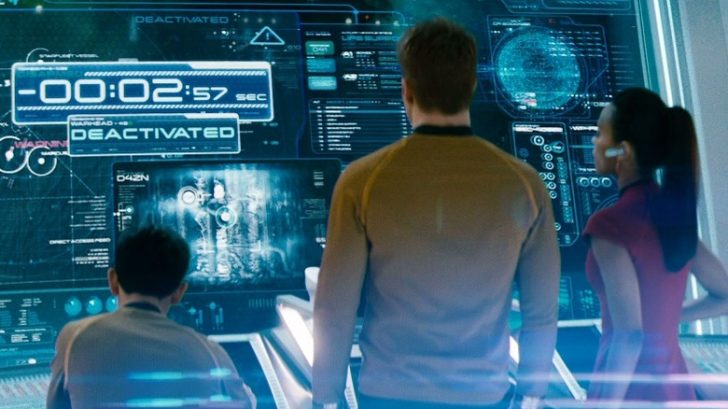
E News / One of the most recognizable “Star Trek” gadgets is the communicator. In the original series, Captain Kirk flipped open a small handheld device to speak with his crew across long distances.
The design looked simple, yet the concept felt futuristic at the time.
That idea influenced early mobile phone designers in a surprising way. Several engineers openly admitted that the communicator helped inspire flip phones in the late twentieth century. The resemblance between the fictional prop and real devices became obvious once mobile phones entered the market.
Modern police officers now carry tools that go far beyond those early phones. Smartphones and advanced radios allow officers to communicate instantly with dispatch, nearby units, and emergency services. Real-time updates help officers respond faster and make better decisions in tense situations.
Technology also continues to shrink. Wireless earbuds and discreet communication systems now allow officers to stay connected without holding a device. This quiet communication style closely resembles the small earpiece used by Lieutenant Uhura on the Starship Enterprise.
Real World Versions of the Tricorder
Another famous Star Trek device is the tricorder. Characters used it to scan objects, analyze materials, and gather scientific data within seconds. The device looked magical at the time because it could identify unknown substances without direct contact.
Today, police departments use a similar tool called a Raman scanner. This handheld device uses a laser to analyze the chemical makeup of a substance. Officers simply point the scanner at a material, and the device reads the unique light pattern reflected back.
The scanner quickly compares that pattern with a chemical database. Within seconds, the screen displays the substance and possible hazards. Officers can identify narcotics, dangerous chemicals, or unknown powders without touching them.
This technology improves officer safety in a major way. Handling unknown materials can expose officers to toxic substances or dangerous drugs. Raman scanners remove much of that risk while providing reliable results during investigations.
The Search for a Safe “Stun” Technology
“Star Trek” also introduced the idea of a phaser set to stun. The fictional weapon could temporarily disable a person without causing permanent harm. This concept fascinated law enforcement experts for decades.
Today, the closest real-world example is the conducted energy device, widely known as a TASER. This tool sends an electrical pulse through small probes attached to wires. The current interrupts voluntary muscle control and temporarily immobilizes a suspect.
The device does not match the clean science fiction version seen on television. TASERs require physical contact through probes and wires, which limits their range. Still, the idea clearly follows the same path imagined in Star Trek decades ago.
AI Translation and Smarter Body Cameras
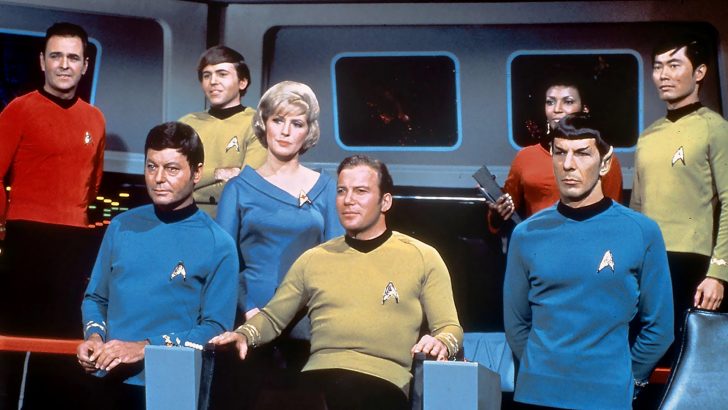
The News / One of the most exciting developments in modern policing comes from artificial intelligence. Body cameras already record interactions between officers and the public.
New versions now include real-time translation technology.
Some advanced camera systems can automatically detect spoken language. If an officer speaks English and a civilian responds in Spanish, the camera recognizes the language immediately. The system then translates the officer’s words into Spanish through audio output.