


Green investment is no longer a side project; it is a key priority. It is shaping the direction of the global economy as we move into 2026. What started as a niche interest for sustainability teams has turned into a primary driver of innovation, revenue, and competitiveness. The change is rapid, driven by massive capital flows, advanced technology, and increasing expectations from investors and customers.
The momentum feels different this time. Clean energy investment reached a record $2.1 trillion in 2025, and analysts anticipate even stronger growth next year. Much of this money comes from large asset owners, not small funds or early adopters. These investors, who manage over $2 trillion, now put responsible investment goals inside their core strategies.
Breakthrough Technologies Move Into the Mainstream

Huy / Pexels / Business leaders see a clear financial upside. A recent survey found that 92% of CFOs expect to increase sustainability spending in 2026.
More than half plan to spend a lot more. They are not doing this to check a box. One third of CEOs say the climate investments they made over the past five years are already boosting revenue. For pension funds and other large investors, climate risk now sits at the center of their fiduciary duty, which is why many are demanding strong transition plans from their asset managers.
The surge in capital is helping several breakthrough technologies mature faster. Energy storage is one of the biggest winners. As renewables make up nearly all new U.S. power plant construction in 2025, the need to store power for long periods is essential. New iron air batteries can hold energy for up to 100 hours, which gives the grid a way to stay steady during storms or heat waves.
Carbon management is also rising. More than 700 carbon capture projects are now in development around the world. New techniques are cutting the cost of capturing CO₂ by reducing the amount of energy needed to run the process. These improvements could help heavy industries lower emissions without shutting down plants or replacing entire systems.
AI has quickly become a key driver of sustainability-focused innovation. In agriculture, digital twins let farmers run virtual trials, cutting down on wasted water, fertilizer, and labor. Across the energy industry, AI systems help predict demand, manage renewable generation, and flag grid vulnerabilities before problems escalate. Together, these advances improve efficiency, reduce costs, and protect infrastructure from growing climate risks.
Why Are Companies Shifting Gears Now?
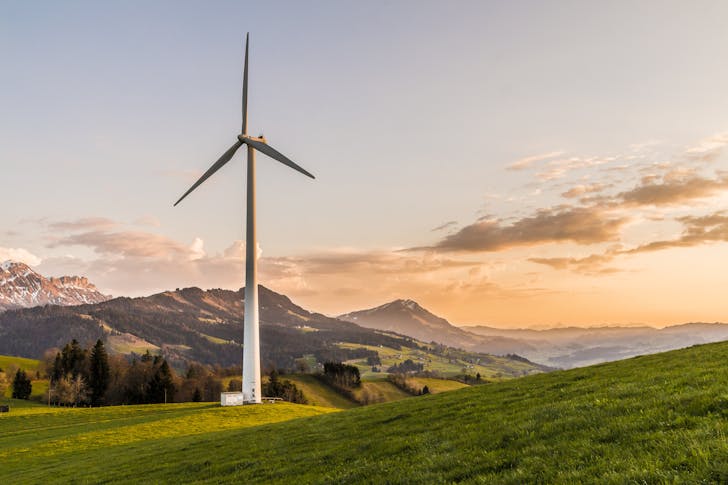
Pixabay / Pexels / For businesses, the stakes are increasingly real. Companies that invest in green technology early are gaining a clear advantage over competitors that hesitate.
Sustainability is no longer only about regulation. It is about winning customers and entering new markets. Many industries, from aviation to construction, are now working closely with climate tech startups to bring new solutions to scale.
Real estate is also feeling pressure. Buildings produce a large share of global emissions, and cities are tightening rules. In New York City, Local Law 97 fines owners whose buildings exceed carbon limits. This shifts the market fast. Older inefficient buildings face a risk of becoming stranded assets, while efficient ones can charge higher rents.
Value is no longer based on design alone. It now depends on measurable data like energy use and carbon performance.
On the global stage, competition is intense. China has built a strong lead in solar panels, batteries, and electric vehicles. The country treats green tech as a key economic engine and invests heavily in manufacturing. In contrast, many U.S. firms are dealing with unstable tariff policies that raise production costs and create uncertainty. Some European investors say these swings have pushed them to cut exposure to U.S. markets.