

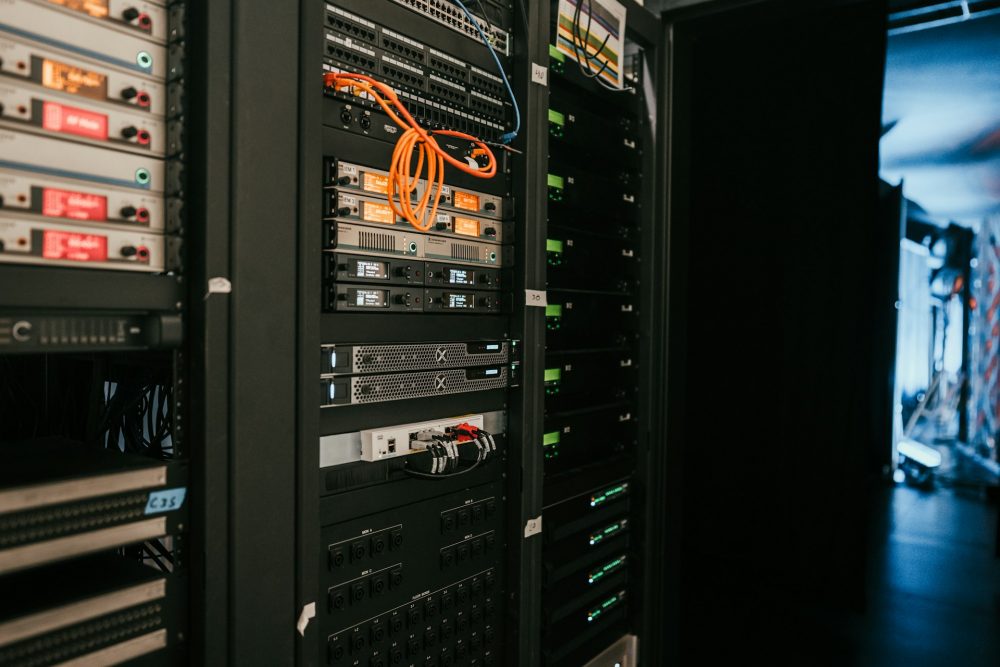
Data centers are heating up fast, and not in a good way. AI, machine learning, and high performance computing are pushing servers harder than ever. That heat has to go somewhere, and old cooling methods are hitting a wall.
Liquid cooling is stepping in as the practical answer. It moves heat faster, uses less energy, and supports hardware that air cooling simply cannot handle anymore. This is changing how modern data centers get built and upgraded.
The Heat Problem Nobody Can Ignore
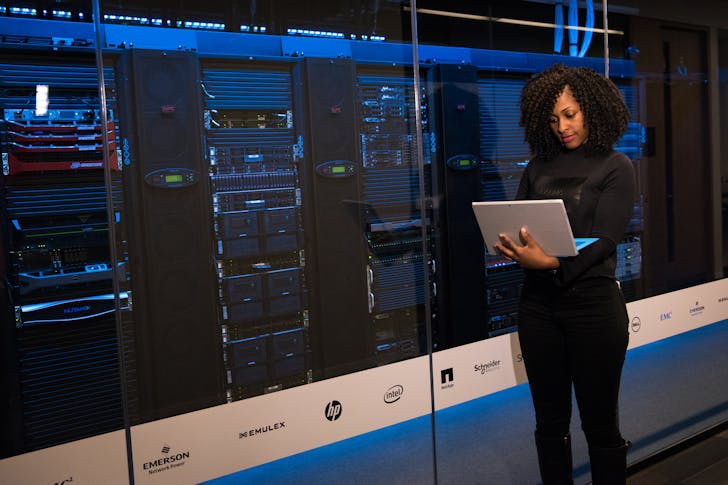
Techy / Pexels / Computing demand has exploded, driven mostly by AI workloads. Training large models and running complex inference tasks takes serious power.
That power turns into heat, a lot of it, right at the chip.
Some AI servers produce up to ten times more heat than traditional systems. High end GPUs can push past 700 watts each. Fans and cold air struggle to keep up, even in perfectly designed rooms. When temperatures climb, performance drops and hardware ages faster.
Air cooling also eats energy. Moving massive volumes of air takes electricity, and the hotter the servers get, the harder the fans must work. At a certain point, adding more fans and airflow just adds noise and cost without solving the core issue.
This is why data center operators are changing direction. Liquid carries heat far better than air. Once you bring liquid closer to the source, cooling becomes more direct, more stable, and far more efficient.
Liquid Cooling Works Where Air Fails
Liquid cooling removes heat right where it forms. Instead of chilling the entire room and hoping air passes over hot components, liquid systems target the chips themselves. This keeps temperatures steady even under extreme loads.
One approach uses direct liquid spray cooling. In this setup, a special non conductive fluid flows over hot components like a controlled shower. The fluid absorbs heat and carries it away to a heat exchanger. It cools only what needs cooling, nothing more.
This method avoids full immersion tanks while still delivering strong thermal performance. It fits well in racks designed for dense workloads and can handle sudden heat spikes without delay.
Immersion cooling takes things further. Entire servers sit inside tanks filled with dielectric fluid. The fluid pulls heat off every surface, not just processors. The warmed fluid then circulates through a cooling loop and returns cooled.
Direct to chip cooling focuses even tighter. Cold plates mount directly on CPUs and GPUs, pushing liquid through small channels to absorb heat at the source. Some designs even move liquid through microscopic paths inside the silicon itself.
AI Growth Is Forcing the Shift
AI behaves differently and stresses hardware in new ways. Reasoning models and training runs push chips at full throttle for long periods.
These workloads generate dense heat that air cannot remove fast enough. Liquid cooling prevents thermal throttling and allows processors to run at peak speed safely. That means more output from the same hardware.
Liquid systems also support overclocking in controlled ways. Chips can run faster without overheating, squeezing more performance per rack. For operators, that means higher compute density without expanding floor space.
Sustainability Is No Longer Optional!

Boran / Pexels / Cooling is one of the biggest energy drains in a data center. Traditional air cooling often relies on chillers, cooling towers, and massive airflow systems.
Many also use evaporative cooling, which consumes huge amounts of water. A medium sized data center can use over 100 million gallons of water per year just to stay cool. In regions facing water stress, that is a serious problem.
Liquid cooling systems often run in closed loops. They reuse the same fluid again and again without pulling from local water supplies. That alone makes them attractive in dry climates.
They also cut energy use. Some liquid cooled facilities reduce cooling power by up to 80% compared to air systems. That improves overall efficiency and lowers operating costs.