

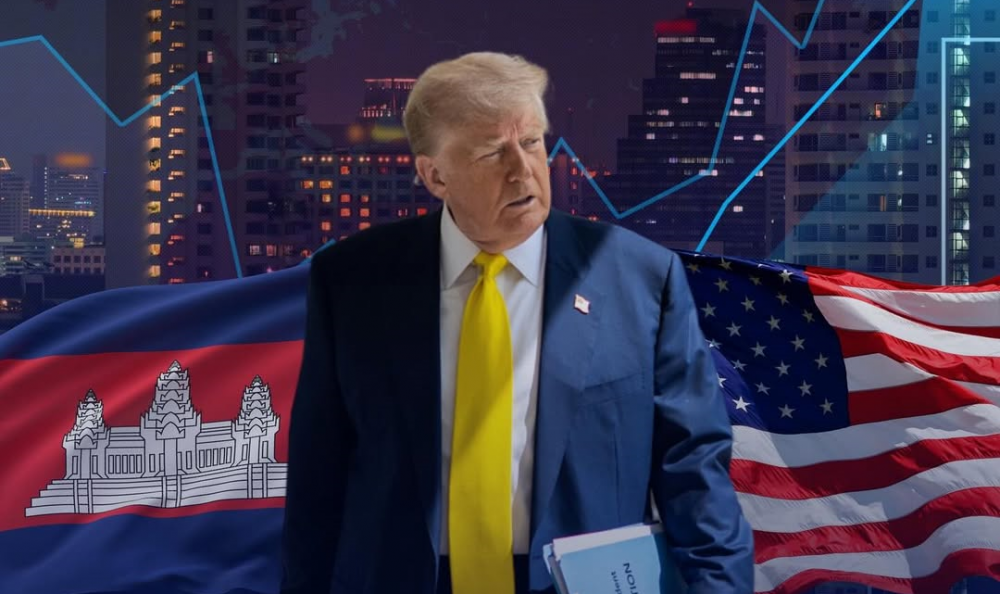
President Trump’s first term set the tone for a fierce global rivalry. China was framed as the main challenger. Russia was cast as a disruptor. Washington rallied allies and talked tough. That era had a name, Great Power Competition, and it defined almost every foreign policy debate.
However, in his second term, Trump is no longer pushing endless pressure. He is chasing stability through deals. The president believes great powers should bargain, trade, and sometimes ignore each other’s red lines. It is a sharp break from the last decade of thinking in Washington.
This shift matters because it challenges the core belief that dominance equals security. Trump sees exhaustion in that model. He argues that constant confrontation drains U.S. strength and limits growth. His answer is simple. Cut deals that serve U.S. interests and stop trying to manage the whole world.
The White House put that view on paper in its new National Security Strategy. It rejects the idea of permanent global control. It says other nations matter only when they threaten America directly.
A Softer Line with China Under the Trump Administration
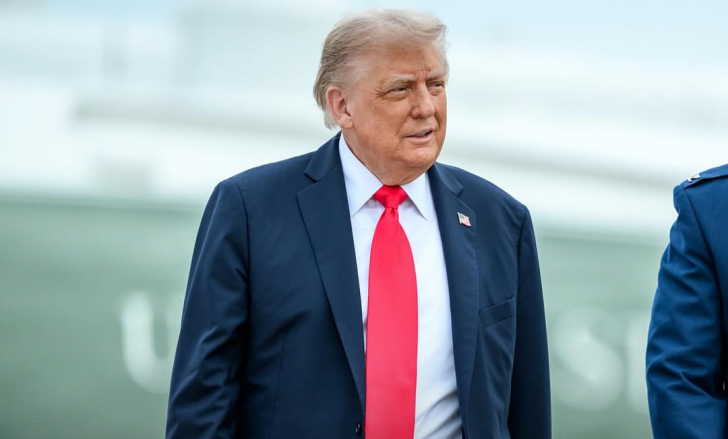
Trump / IG / Trump’s China policy shows the clearest turn. During his first term, he took the gloves off. His team declared a genocide in Xinjiang.
Huawei landed on a blacklist. TikTok faced a ban. The goal was pressure and isolation.
Now the tone is different. Trump still talks tough about U.S. interests, but he sounds calm about China’s rise. After a trade war burst back to life early in his second term, he struck a truce with President Xi Jinping in October. The message was clear. Endless tariffs help no one.
That truce came with concrete wins. China agreed to crack down on fentanyl precursors. It promised large purchases of U.S. farm goods. It also kept rare earth exports flowing, a big deal for American industry. Trump calls that leverage without hostility.
Lately, Trump has gone further. During a tense exchange between China and Japan over Taiwan, he sided with Beijing’s call for restraint. He urged Japan’s prime minister to cool the rhetoric. That move stunned China hawks who expect automatic alignment with U.S. allies.
The biggest shock came this week. Trump lifted a ban on exporting Nvidia’s H200 chips to China. His team says selling chips helps the U.S. stay ahead in design and control the AI supply chain. The most advanced Blackwell chips are still restricted, but the wall is lower than before.
Russia is Now a Deal Partner
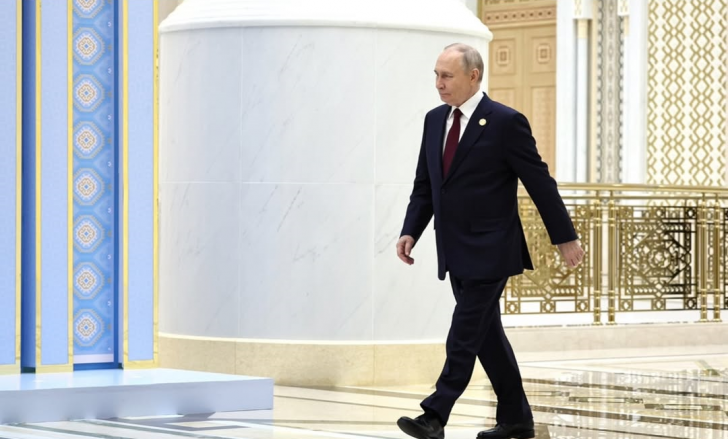
Kremlin / IG / Trump’s Russia strategy mirrors his China shift. Less scolding. More bargaining. The president has a great relationship with his Russian counterpart, Vladimir Putin.
is steering away from open confrontation and toward accommodation. Critics call it risky. Trump calls it realistic.
His envoys are pressing Ukraine to cede the Donbas region as part of a peace deal. The aim is to freeze the conflict and move on. Trump’s team talks openly about a new era of strategic stability with Moscow.
That stability comes with money on the table. A draft peace plan outlines long-term economic cooperation with Russia. Energy, infrastructure, AI, rare earths, and data centers are all in play. Trump sees trade as a leash that keeps conflict in check.
However, sanctions still exist. Trump imposed penalties on major Russian oil firms over Ukraine. Yet his advisers make it clear they want Russia back in the global system once the war ends. Isolation, they argue, pushes Moscow closer to Beijing.