


“Star Trek” wasn’t just entertainment—it helped inspire real-world technology. In the 1960s, its gadgets seemed impossible, yet today, police departments use tools remarkably similar to those seen on the show. Devices that were once science fiction now exist in patrol cars, on officers’ belts, and within digital investigation systems. The series demonstrates the power of imagination to drive innovation. Many engineers and scientists grew up inspired by these fictional devices and later developed practical solutions for modern law enforcement. From

Quantum technology has reached a turning point that feels familiar to anyone who knows computing history. Scientists now say the field has hit its transistor moment, where the science works, and early systems exist, but the hardest work still lies ahead. The excitement is real, yet the road ahead is long and full of engineering headaches. This moment matters because it marks a shift in mindset. The big question is no longer about whether quantum machines can function at all.
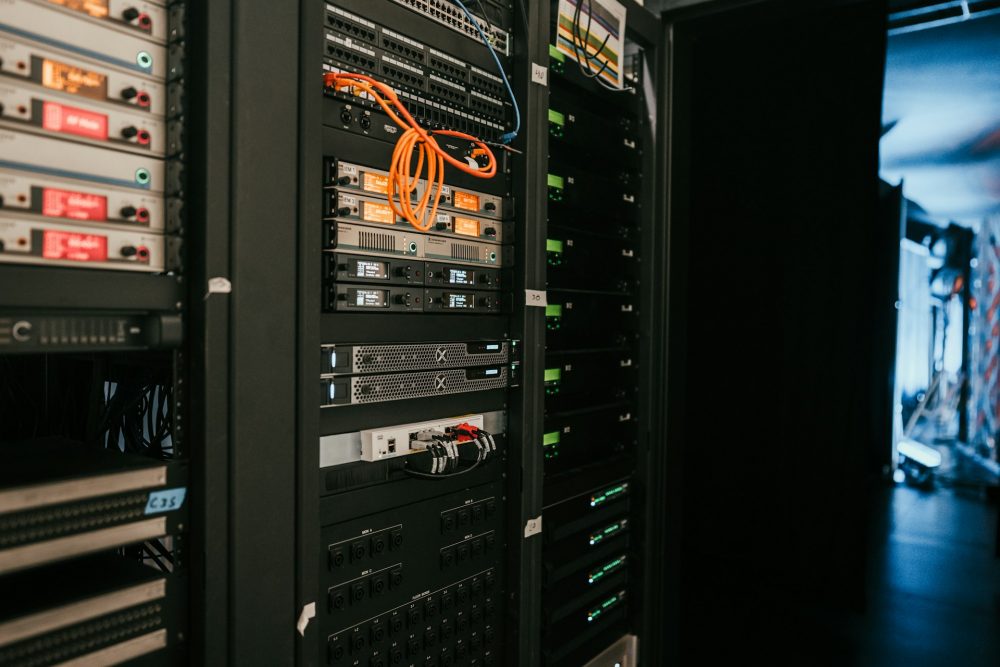
Data centers are heating up fast, and not in a good way. AI, machine learning, and high performance computing are pushing servers harder than ever. That heat has to go somewhere, and old cooling methods are hitting a wall. Liquid cooling is stepping in as the practical answer. It moves heat faster, uses less energy, and supports hardware that air cooling simply cannot handle anymore. This is changing how modern data centers get built and upgraded. The Heat Problem Nobody

Green investment is no longer a side project; it is a key priority. It is shaping the direction of the global economy as we move into 2026. What started as a niche interest for sustainability teams has turned into a primary driver of innovation, revenue, and competitiveness. The change is rapid, driven by massive capital flows, advanced technology, and increasing expectations from investors and customers. The momentum feels different this time. Clean energy investment reached a record $2.1 trillion in 2025, and

BioHarvest Sciences just teamed up with Saffron Tech to shake up how saffron is made. On October 30, 2025, the two companies announced a strategic partnership to produce saffron compounds in a laboratory, not in the field. The goal is to use BioHarvest’s Botanical Synthesis platform to grow saffron’s key compounds without farming. Think of it like brewing the best part of the plant in a clean, scalable way. Less dirt, less labor, and way more control. It takes thousands

Some of the world’s richest tech moguls are not just investing in the next startup. They are investing in their own survival. Mark Zuckerberg is digging bunkers in Hawaii. Sam Altman owns gold, gas masks, and land to escape to. Reid Hoffman jokes that a house in New Zealand is now a high-status form of “apocalypse insurance.” They call it “doomsday prepping,” but this isn’t the average guy stocking canned beans in his garage. This is billionaire-level prepping, like private
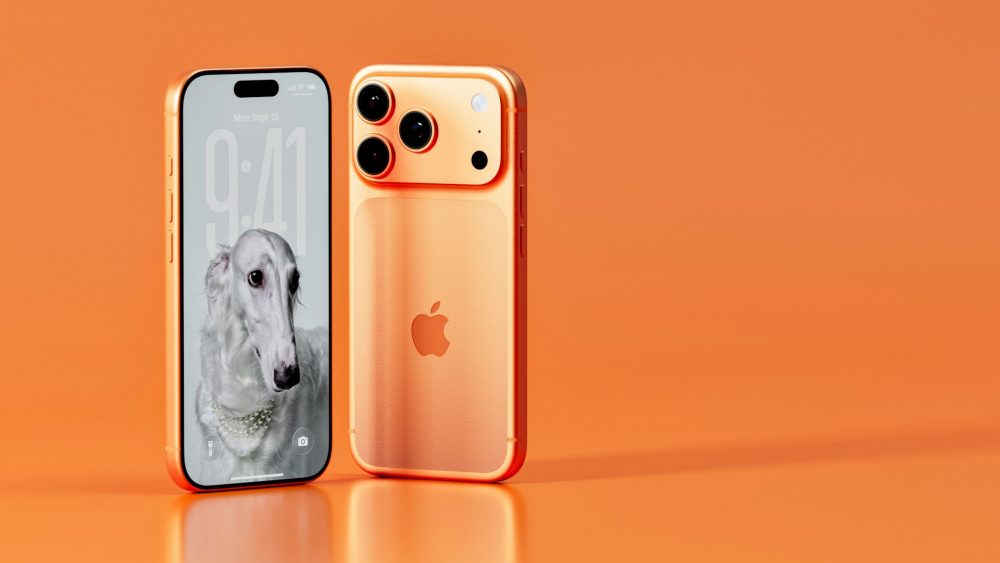
Apple is making another bold move with the iPhone 17 lineup, and this time, it is saying goodbye to physical SIM cards. Yep, that tiny plastic chip you have been popping in and out of phones for years is on the way out, and Apple is not looking back. The shift started quietly back in 2022 with U.S. iPhone 14 models. Now, Apple is going global. The iPhone 17 series, especially the sleek new iPhone Air, is pushing hard toward
BioHarvest Sciences just teamed up with Saffron Tech to shake up how saffron is made. On October 30, 2025, the two companies announced a strategic partnership to produce saffron compounds
Some of the world’s richest tech moguls are not just investing in the next startup. They are investing in their own survival. Mark Zuckerberg is digging bunkers in Hawaii. Sam
Apple is making another bold move with the iPhone 17 lineup, and this time, it is saying goodbye to physical SIM cards. Yep, that tiny plastic chip you have been
Quantum computing is no longer just a lab experiment. It is inching closer to real-world use, and commercial real estate (CRE) is already feeling the ripple effects. As this new

AI is rewriting the rules of visual effects, and Netflix just proved it with “The Eternaut.” In its boldest tech move yet, the streaming giant turned to generative AI to
Technology shapes modern life, but few examine its impact with the depth and humanity shown by MIT’s STS scholar, Professor Dwai Banerjee. Through a wide range of topics—from cancer care

Inventions shape the way we live. From communication to transportation, some ideas don’t just make life easier—they redefine it. Some inventions have changed the course of the world. Here are